Landing Zone Safety
2017 - Present
235th Combat Airfield Operations Squadron
Landing Zone Safety Officer (LZSO)
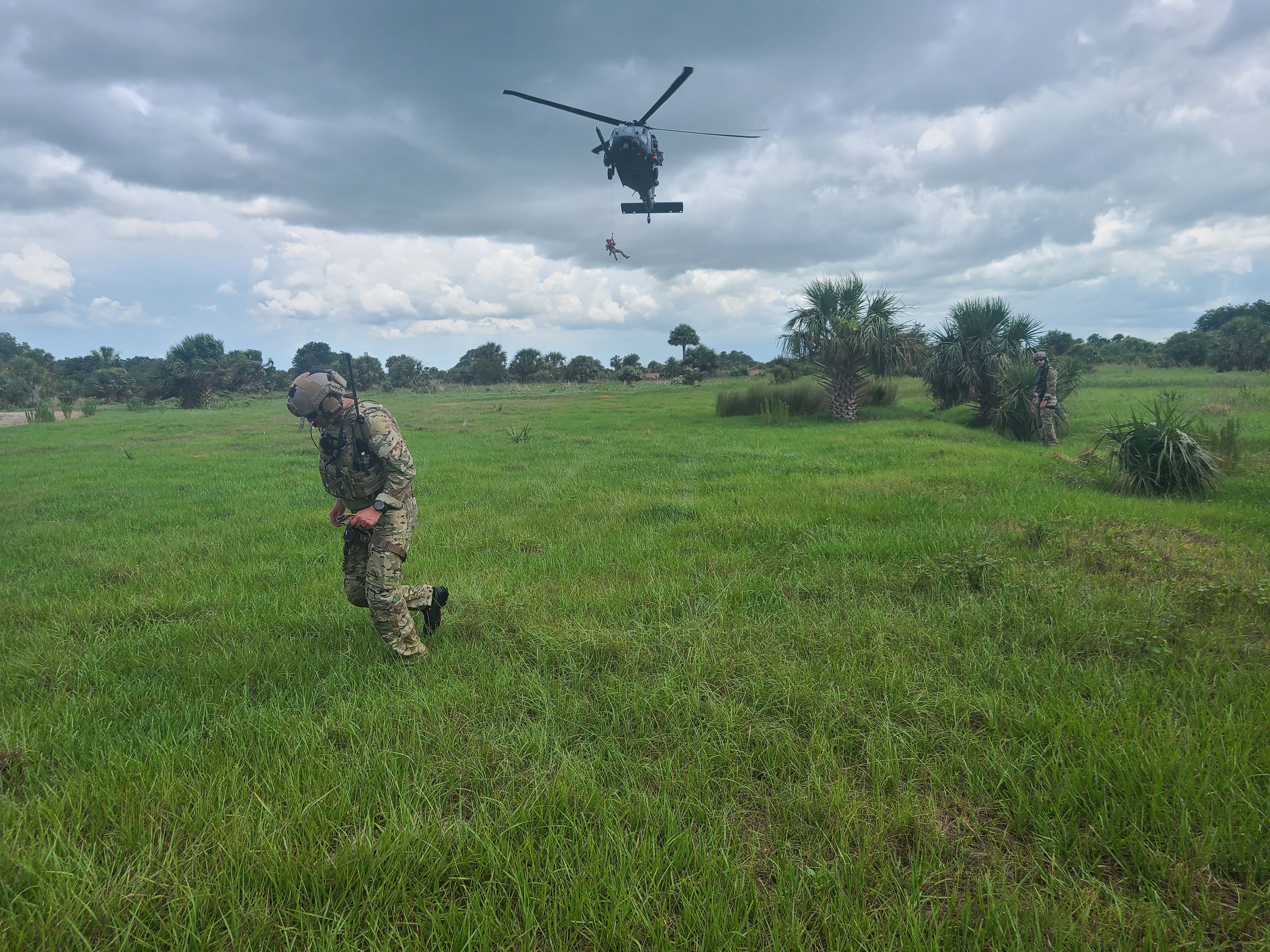
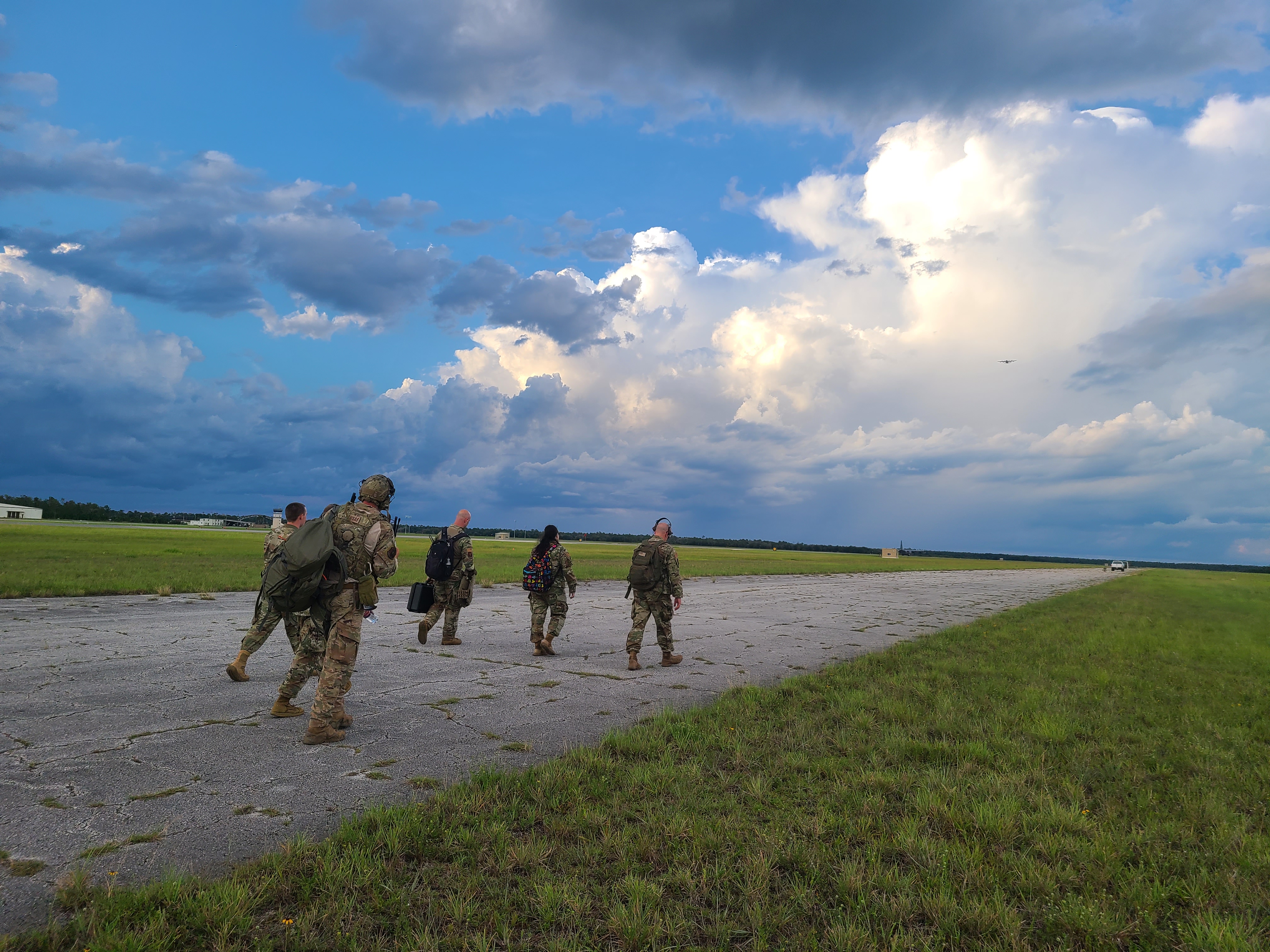
Certified as a Landing Zone Safety Officer for the 235th CAOS, providing organic LZSO capability for expeditionary and contingency missions where established airfield infrastructure does not exist. The work applies structured hazard assessment, operational readiness evaluation, and coordinated execution under real constraints: terrain limits, surface conditions, tight timelines, and no established support chain.
Worth noting
A few things I would call out
- Certified to conduct initial airfield suitability assessments and establish landing zones in expeditionary and austere environments where no established airfield infrastructure exists.
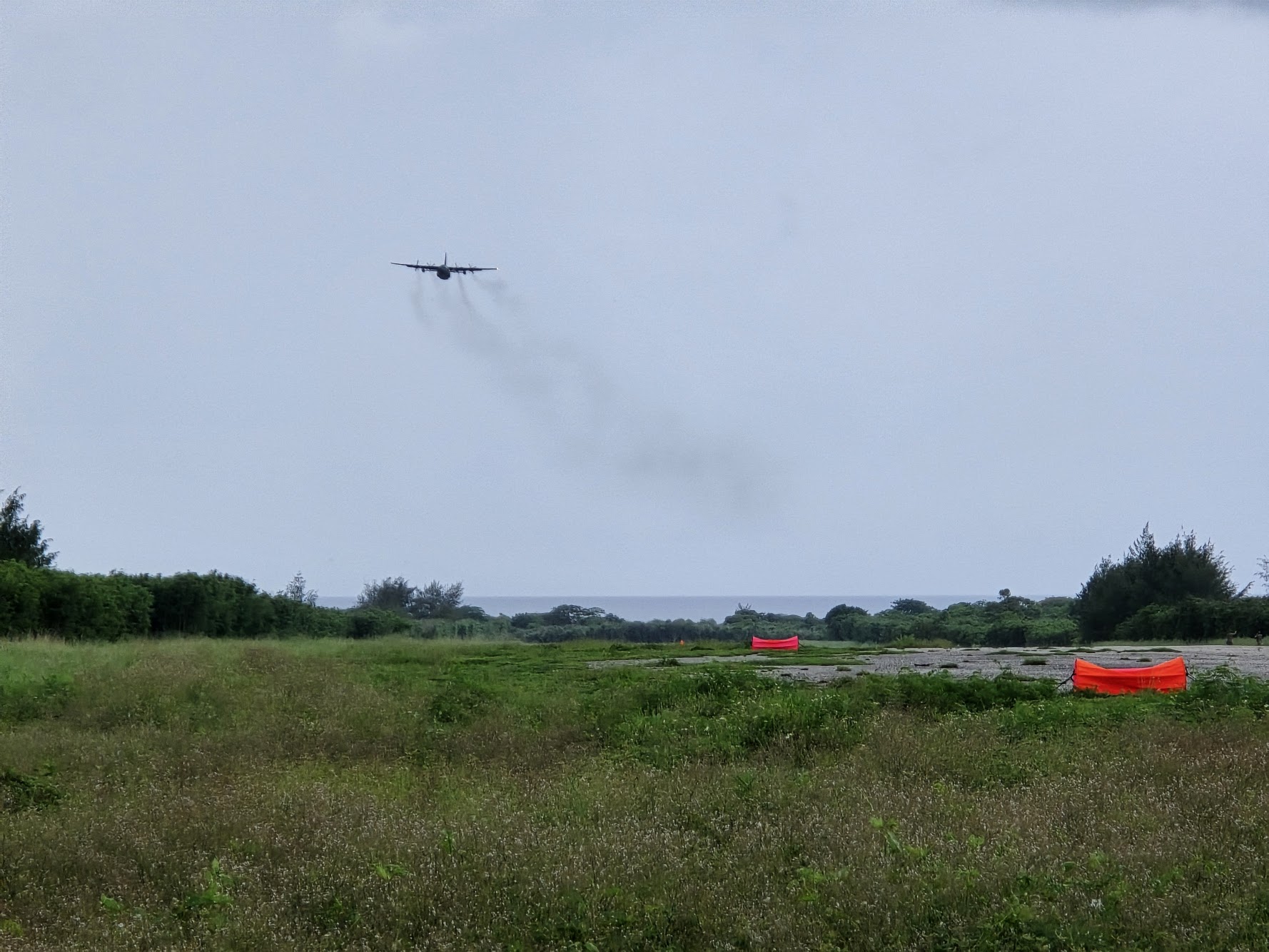
- Manages landing zone operations for rotary-wing and fixed-wing aircraft, coordinating with aircrews and ground forces to ensure safe sequencing, obstacle clearance, and surface conditions.
- Applies ATC and airfield operations expertise to assess and mitigate hazards in non-standard field environments.
01 // What was getting in the way
Expeditionary and contingency missions frequently require aircraft to operate from unprepared surfaces and improvised landing areas. Without a qualified LZSO on the ground, aircrews lack the surface condition data, obstacle clearance information, and safety coordination required for safe operations at non-standard locations.
02 // What I did
I built on an ATC and airfield operations foundation to earn Landing Zone Safety Officer certification and add the ground-side assessment capability needed for expeditionary operations.
The work follows a repeatable sequence:
- Assess the landing area by reviewing terrain, surface conditions, obstacles, and approach or departure corridors
- Run suitability checks across:
- slope gradients
- surface load-bearing capacity
- debris and obstacle hazards
- nearby airspace conflicts
- Activate and control the zone by coordinating traffic flow, sequencing, and communications with aircrews during execution
That process turns improvised or unprepared locations into safer operating environments for rotary-wing and fixed-wing aircraft.
03 // What changed
Provides the 235th CAOS with organic LZSO capability for expeditionary and contingency missions where established ATC infrastructure is unavailable.
The civilian translation: this is operational readiness work under real constraints. No established infrastructure, limited time, real consequences. The skill set transfers directly to complex environments where the normal support chain does not exist and execution has to stay calm anyway.
The result is:
- safer aircraft operations in austere environments
- better ground-side hazard identification before mission execution
- stronger support for domestic and international contingency profiles